
How Much Does Tick Paralysis Treatment Cost in Australia? Our Dog's Real ICU Bill
Meta description: How much does tick paralysis treatment cost in Australia? Our dog's emergency treatment, ambulance transfer, ICU care and mechanical ventilation cost over $25,000. Here's our real veterinary bill.
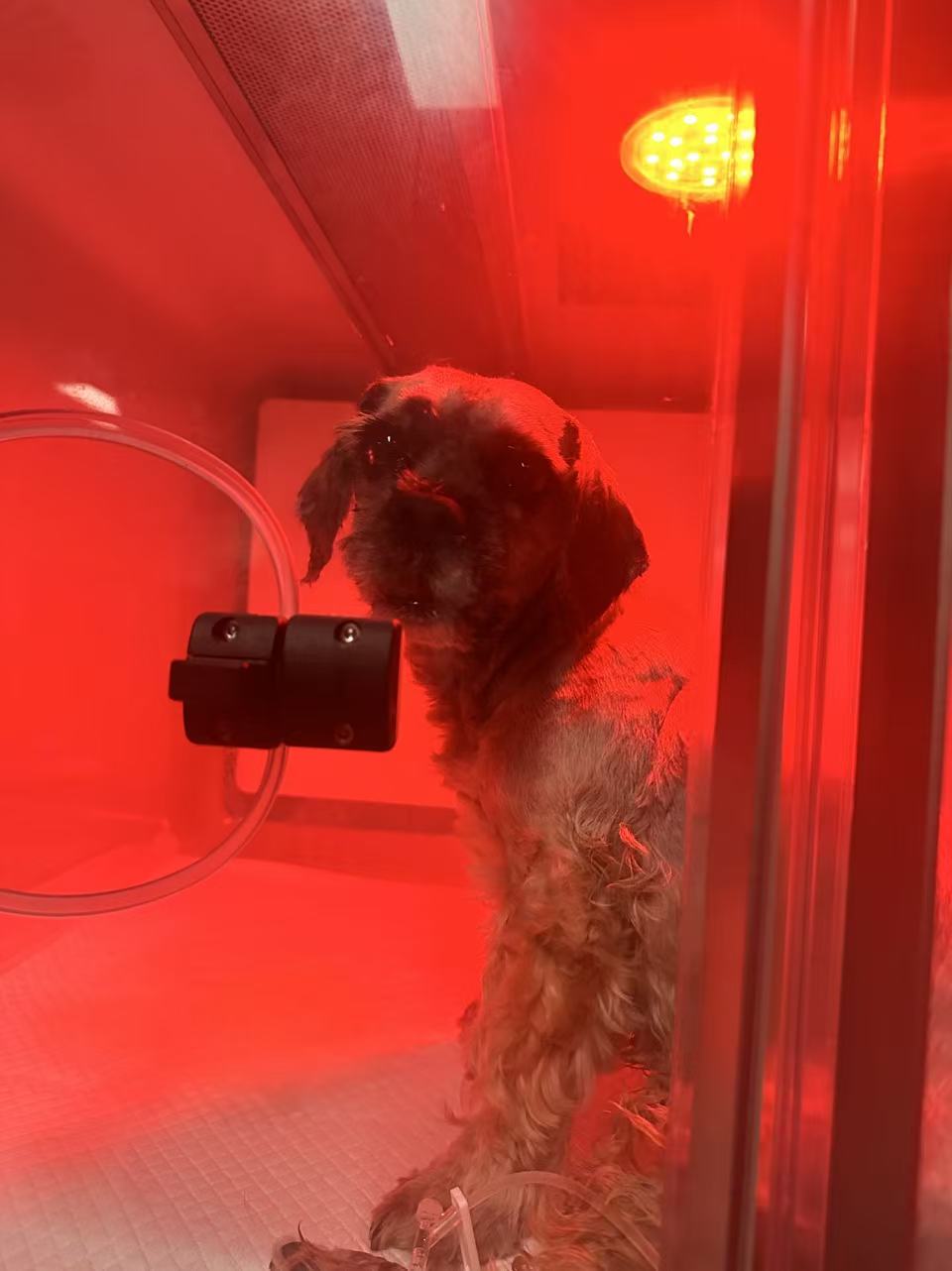
When our dog, Mr Beans (also known as Douge), started showing signs of tick paralysis, we had no idea how serious his condition would become — or how much emergency veterinary treatment would eventually cost.
Within two days, he went from struggling to walk to needing intensive care and mechanical ventilation.
His treatment involved two veterinary hospitals, emergency transport, tick antiserum, hospitalisation and specialist ICU care.
Our documented veterinary bills totalled A$25,291.89.
We are sharing the actual costs because we hope other Australian dog owners will better understand the potential financial impact of severe tick paralysis — and why prevention and early veterinary attention matter so much.
This is our personal experience, not a typical treatment quote. Many dogs will not require this level of intensive care.
---
Our Dog's Tick Paralysis Treatment Timeline
Saturday, 24 October 2026 — Emergency Treatment at ARH Wollongong
Mr Beans had vomited yellow fluid the previous day. By Saturday, we noticed something much more concerning: his walking had become unsteady, particularly in his hind legs.
We found a tick near his mouth and took him to Animal Referral Hospital (ARH) Wollongong for emergency veterinary treatment.
He received tick antiserum, medication, intravenous fluids, nursing care and a full-body clip and tick search.
The hospital's initial treatment invoice came to A$2,063.50.
Sunday, 25 October — His Condition Deteriorated
Despite receiving treatment, Mr Beans became increasingly unwell.
His condition affected his breathing, and he required additional veterinary support. The decision was made to transfer him to SASH Alexandria for specialist intensive care.
The emergency veterinary ambulance transfer from Wollongong to Alexandria cost A$1,200.
Additional hospitalisation, fluids and medications brought the second ARH invoice to A$2,370.20, including the transfer.
Total ARH Wollongong bill: A$4,433.70.
At SASH Alexandria — Intensive Care and Mechanical Ventilation
At SASH, Mr Beans required intensive monitoring and mechanical ventilation to support his breathing.
This was the most frightening stage of his illness.
He was critically unwell, and we did not know how quickly he would recover.
He was eventually able to breathe without the ventilator, but coming off mechanical ventilation did not mean he had fully recovered. He remained extremely weak and needed further care.
Friday, 30 October — Returning Home
Mr Beans was discharged from hospital on Friday, 30 October.
We were incredibly relieved to have him home, but his recovery was far from complete.
He was still weak and dealing with complications, including a lung infection and problems affecting his larynx.
Even a very short outing was exhausting.
His experience reminded us that surviving the critical stage of tick paralysis is only part of the journey. Recovery can take time, and follow-up veterinary care may still be needed.
---
Our Actual Tick Paralysis Veterinary Bills
Here is the breakdown of the two hospital bills we received.
| Hospital | Treatment | Cost (AUD) |
|---|---|---|
| ARH Wollongong | Emergency assessment, antiserum, medications, hospitalisation, fluids, grooming and ambulance transfer | $4,433.70 |
| SASH Alexandria | Specialist hospitalisation, ICU treatment, mechanical ventilation and associated care | $20,858.19 |
| Total | Documented veterinary treatment | $25,291.89 |
These amounts are based on our actual veterinary invoices. The total does not necessarily include every later follow-up appointment, medication or rehabilitation expense.
ARH Wollongong: Where the First $4,433.70 Went
The itemised ARH invoice covered treatment on 24–25 October 2026.
| Expense | Cost (AUD) |
|---|---|
| Emergency consultation | $290.00 |
| Hospital and nursing care | $1,320.00 |
| IV fluids and related therapies | $845.00 |
| Pain relief, sedation and other medications | $348.40 |
| Tick antiserum | $175.80 |
| Bravecto spot-on tick prevention | $156.00 |
| Full-body clipping and tick search | $98.50 |
| Emergency veterinary ambulance transfer | $1,200.00 |
| ARH total | $4,433.70 |
The transfer alone accounted for more than a quarter of the ARH bill.
This is a cost many owners may not anticipate. If a dog requires specialist care that the first hospital cannot provide, emergency transportation may become another significant expense.
The antiserum line on our ARH invoice was $175.80. This is the amount recorded for that particular invoice item, not a general price for antiserum treatment in Australia.
SASH Alexandria: The Cost of Intensive Care
Our SASH invoice totalled A$20,858.19.
Two particularly significant billed items were:
| ICU expense | Billed amount (AUD) |
|---|---|
| Mechanical ventilation — 4 billed units at $2,247 | $8,988.00 |
| Intensive care — 5 billed units at $900 | $4,500.00 |
| Combined | $13,488.00 |
These charges were already included in the SASH total and must not be added again.
The billed units are the units shown on the invoice; they should not be interpreted as an exact number of hours or days without confirmation from the hospital.
Mechanical ventilation and ICU care together represented approximately 65% of our SASH bill.
Other hospital services and treatments made up the remaining amount.
---
Why Can Severe Tick Paralysis Treatment Be So Expensive?
Tick paralysis is caused by toxins produced by certain ticks, including the Australian paralysis tick.
In serious cases, the toxin can affect muscle function, swallowing and breathing.
Treatment costs vary substantially depending on the dog's condition and the level of care required.
Several factors can increase the cost.
1. Emergency Veterinary Assessment
Dogs showing signs of weakness, unsteady walking, voice changes, regurgitation or breathing difficulty need prompt veterinary assessment.
Emergency consultations and after-hours treatment can cost more than routine appointments.
2. Tick Antiserum and Supportive Treatment
A veterinarian may administer tick antiserum and provide supportive treatment according to the dog's clinical condition.
The amount of antiserum, medications, monitoring and nursing care required can differ between cases.
3. Hospitalisation and Monitoring
Dogs may need hospitalisation while veterinary teams monitor breathing, swallowing, muscle strength and complications.
Some require only a relatively short hospital stay. Others need prolonged monitoring or intensive care.
4. Respiratory Complications
Severe paralysis can interfere with normal breathing and airway protection.
Some dogs may require oxygen support or mechanical ventilation.
These interventions require specialist equipment, trained staff and continuous monitoring.
In Mr Beans' case, respiratory support was the largest identifiable component of the SASH bill.
5. Emergency Transfer to a Specialist Hospital
Not every veterinary hospital can provide advanced respiratory support.
When a dog needs specialist intensive care, an emergency transfer may be necessary.
Our ambulance transfer cost A$1,200.
6. Complications and Recovery
Complications such as aspiration-related lung problems, swallowing difficulties or ongoing weakness can require additional treatment.
Recovery may also involve medications, follow-up consultations and rehabilitation.
---
Does Tick Paralysis Always Cost $25,000?
No.
Our experience was a severe case requiring mechanical ventilation and specialist intensive care.
Dogs diagnosed earlier, or those with less severe symptoms, may require substantially different treatment and incur much lower costs.
Conversely, complicated cases involving prolonged ICU care may cost more.
There is no single reliable price that applies to every dog.
Costs depend on factors such as:
- Severity of paralysis and breathing difficulties
- Size of the dog and treatment requirements
- Duration of hospitalisation
- Need for oxygen or mechanical ventilation
- Emergency transport and specialist referral
- Complications and additional procedures
- Hospital pricing and after-hours care
The figures in this article are actual charges from one case, not Australian national averages.
If your dog is receiving emergency treatment, ask the veterinary team for an estimate, what it includes, and how costs may change if additional care becomes necessary.
---
Could Pet Insurance Help?
Pet insurance may help with eligible emergency veterinary expenses, depending on the policy.
However, policies vary in their annual limits, reimbursement percentages, excesses, waiting periods and exclusions.
Tick paralysis, specialist care, mechanical ventilation and emergency transport should not be assumed to be covered automatically.
Before relying on a policy, check its Product Disclosure Statement and ask the insurer about the relevant benefits and exclusions.
For owners without insurance, a major emergency can create a substantial financial burden.
Our experience reinforced the importance of understanding both veterinary treatment options and the financial resources available in an emergency.
---
Prevention Matters — Even When Your Dog Looks Healthy
Tick prevention cannot guarantee that a dog will never encounter a tick.
However, appropriate preventive products and regular physical checks are important parts of reducing risk.
Our practical reminders for Australian dog owners are:
- Use a veterinary-recommended tick prevention product suitable for your dog's circumstances.
- Keep treatments up to date, following the product's specific dosing interval.
- Check your dog thoroughly after outdoor activities, particularly around the head, ears, neck, skin folds, armpits, groin and between the toes.
- Remain alert to early symptoms, including weakness, an unusual gait, voice changes, vomiting or regurgitation.
- Seek veterinary attention immediately if you suspect tick paralysis, even if you cannot find a tick.
Do not wait for symptoms to become severe.
If you find a suspected paralysis tick or your dog develops concerning symptoms, contact a veterinarian promptly for advice on safe removal and urgent treatment.
---
What We Learned from Mr Beans' Experience
Before this happened, we knew that paralysis ticks were dangerous.
But we had never imagined that a single tick could lead to emergency hospitalisation, an ambulance transfer, mechanical ventilation and more than A$25,000 in veterinary bills.
The financial cost was enormous.
The emotional experience was even harder.
There were moments when we were simply hoping that Mr Beans would survive and be able to breathe on his own again.
Having him home is something we are deeply grateful for, even though his recovery is still ongoing.
We are sharing these figures not to frighten other dog owners, but to help them understand what severe tick paralysis can involve.
A regular tick check takes only a little time. A missed tick can have life-changing consequences.
If this story encourages even one dog owner to check their dog more carefully or seek veterinary help sooner, sharing our experience will have been worthwhile.
With love from Mr Beans and the PawsAround family.
---
Medical disclaimer: This article shares one family's veterinary experience and actual treatment costs. It is not a substitute for veterinary advice. Tick paralysis is a potentially life-threatening emergency. If your dog has signs of weakness, paralysis, swallowing difficulties or breathing problems, seek urgent veterinary care.
Cost disclosure: All amounts are in Australian dollars and reflect invoices from October 2026. The two-hospital total is A$25,291.89, including the A$1,200 ambulance transfer. Later follow-up or rehabilitation expenses may not be included.