
Our Dog's Fight Against Tick Paralysis: Mr Beans' Story
From walking into an emergency hospital to needing a ventilator, and finally coming home — this is the story of our little dog, Mr Beans.
Meet Mr Beans
If you've visited PawsAround before, you may have come across our little adventurer, Mr Beans, a Shih Tzu–Cavalier cross who loves exploring, chasing balls and running around like a rabbit.
At home, we call him Douge (逗哥儿), his Chinese nickname.
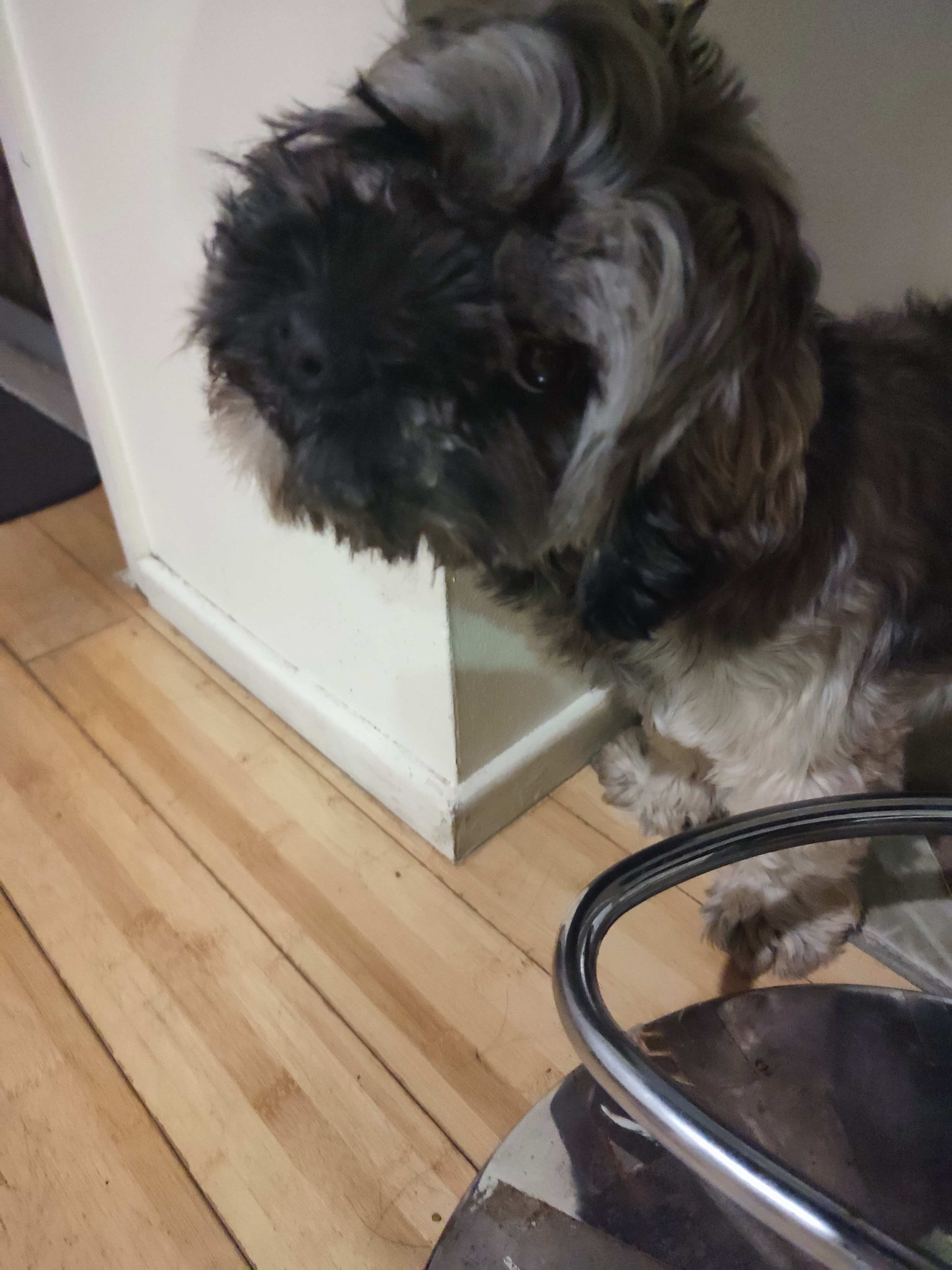
He has always been a happy, energetic little dog who loves being outdoors.
We never imagined that something as small as a tick could turn his life upside down.
But in October 2026, that's exactly what happened.
Saturday, 24 October: Something Was Wrong
On Saturday morning, 24 October, I noticed something unusual when Mr Beans went outside to relieve himself.
When he lifted one of his back legs, the other leg seemed unable to support his weight properly.
Later, when we took him for a walk, I noticed that his hind legs were moving strangely, almost crossing over each other.
We were on our way to a farm that day.
Instead of continuing our planned outing, we started looking for a veterinary hospital that was open on the weekend.
The nearest suitable emergency hospital we could find was Animal Referral Hospital (ARH) Wollongong.
When we arrived, Mr Beans could still walk on his own.
The initial assessment did not seem particularly alarming, and we hoped it was something minor.
We had no idea how quickly things would change.
Sunday, 25 October: Everything Changed
At around 6 am on Sunday, we received a message from the hospital saying that Mr Beans needed further observation and would not be ready to come home until later that afternoon.
We were still hoping to bring him home that day.
But shortly after 11 am, the hospital called again.
This time, we were told that Mr Beans needed oxygen support.
By approximately 5 pm, we received another call. His condition had become serious enough that he needed to be transferred to a specialist veterinary hospital for intensive care.
He was transferred to SASH Alexandria in Sydney.
Within just over a day, our little dog had gone from being able to walk into an emergency hospital to needing respiratory support.
It was frightening how quickly everything had changed.
The Most Frightening Days: Intensive Care and a Ventilator
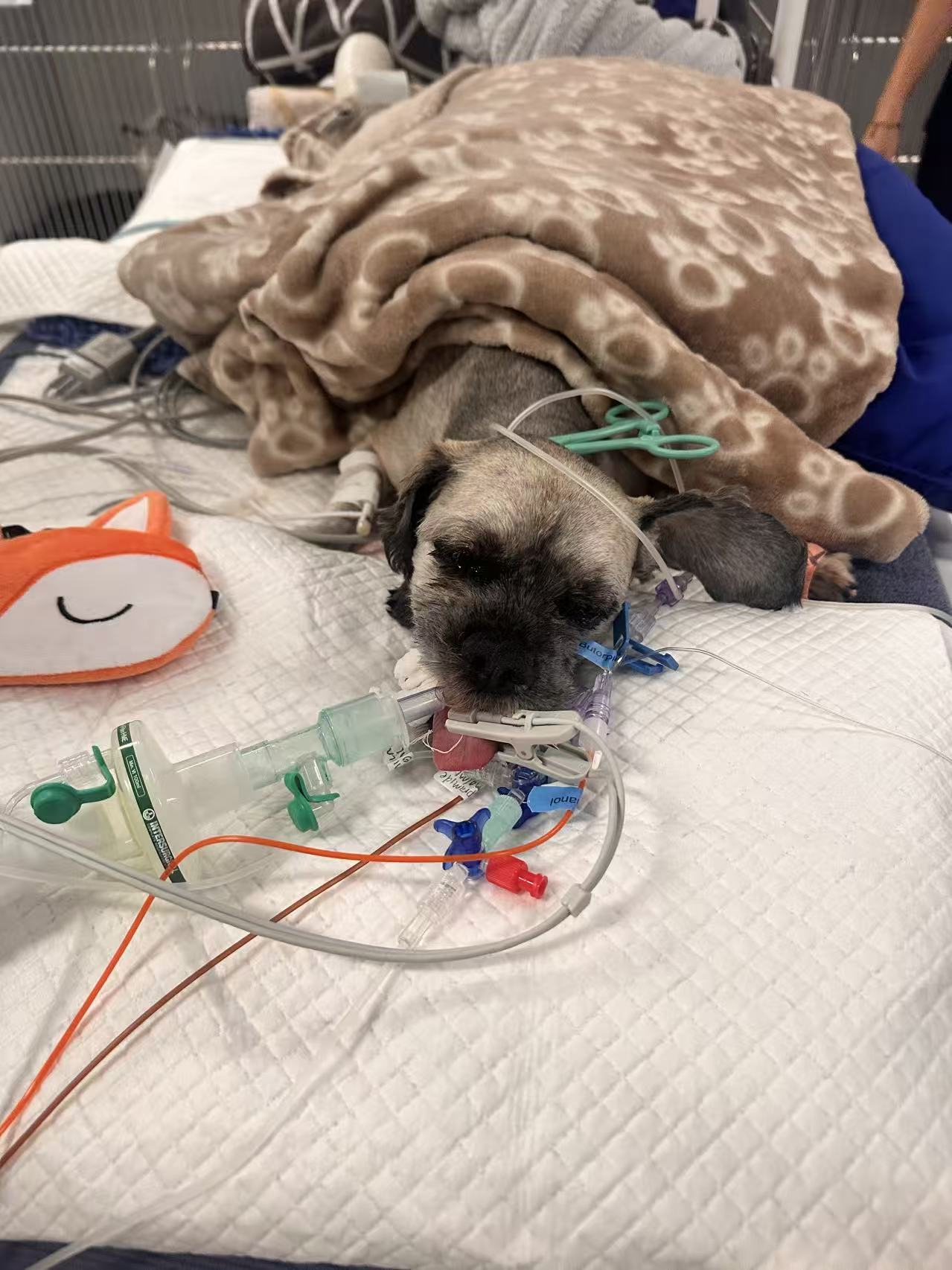
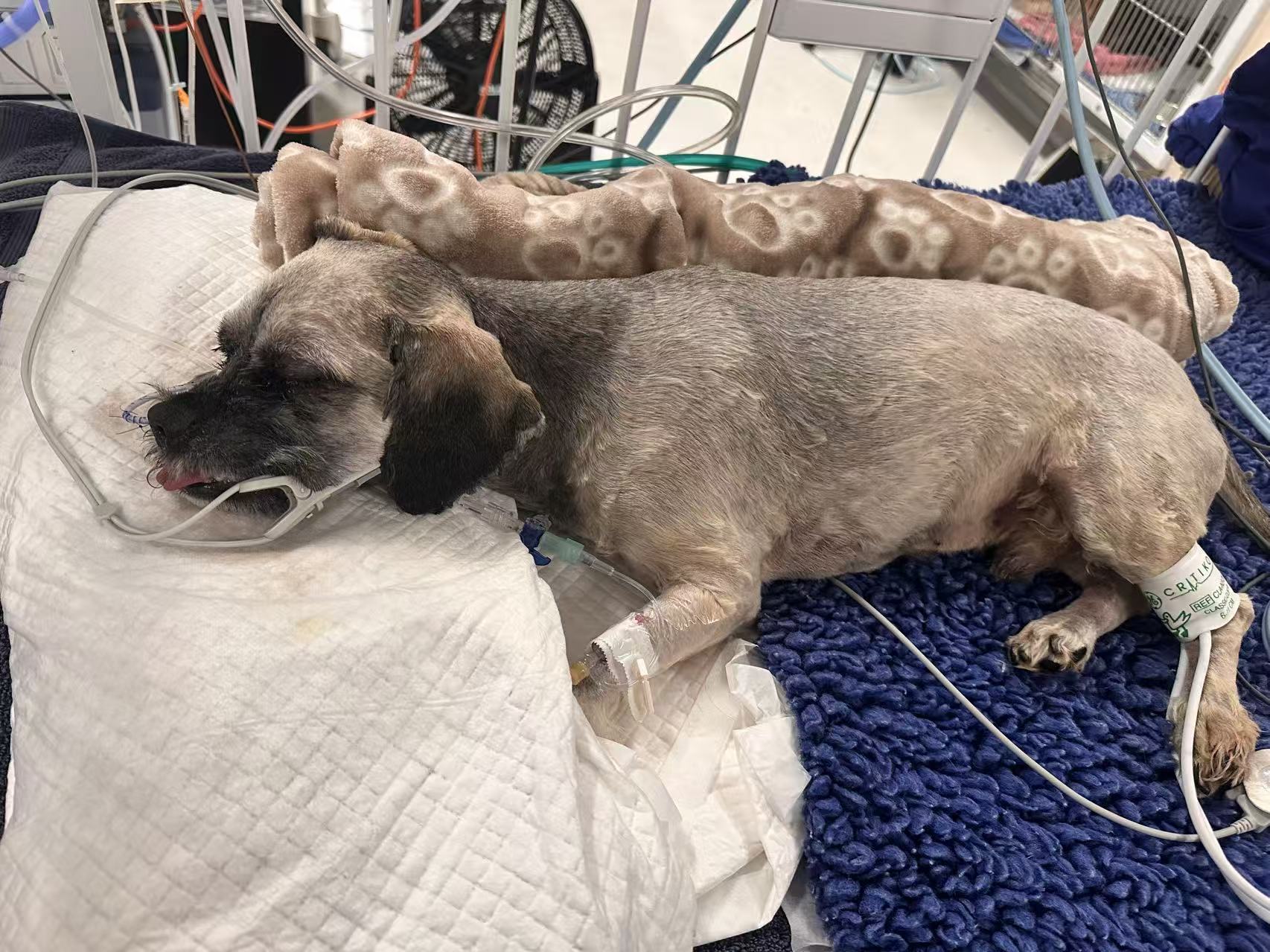
At SASH Alexandria, Mr Beans required intensive care and mechanical ventilation to support his breathing.
Seeing him in the ICU was heartbreaking.
Only a short time earlier, he had been enjoying life as usual. Now, he was critically ill, surrounded by medical equipment.
We knew paralysis ticks could be dangerous, but we had never imagined that one could cause such a serious illness.
There was so much uncertainty.
Would he be able to breathe on his own again?
Would he wake up?
Would he ever come home?
We could only wait for updates from the veterinary team.
The Day He Started Breathing on His Own
Eventually, we received some encouraging news.
Mr Beans had been taken off the ventilator and was breathing independently.
It was an enormous relief.
But when I visited him later that afternoon, he was still deeply unresponsive.
The veterinary team explained that medication used during his intensive care could still be affecting him.
Even though he was breathing without the ventilator, seeing him lying there without waking up was incredibly worrying.
I called the ICU again to check on him.
The team confirmed that his independent breathing remained stable.
It wasn't the complete recovery we were hoping for, but it was progress.
And at that moment, progress meant everything.
Another difficult thing to see was that his eyes remained wide open. He appeared unable to close them normally, which the veterinary team explained was related to his tick paralysis.
Every visit was emotional.
We wanted him to recover quickly, but we were beginning to understand that recovery would take time.
Friday, 30 October: Finally Home
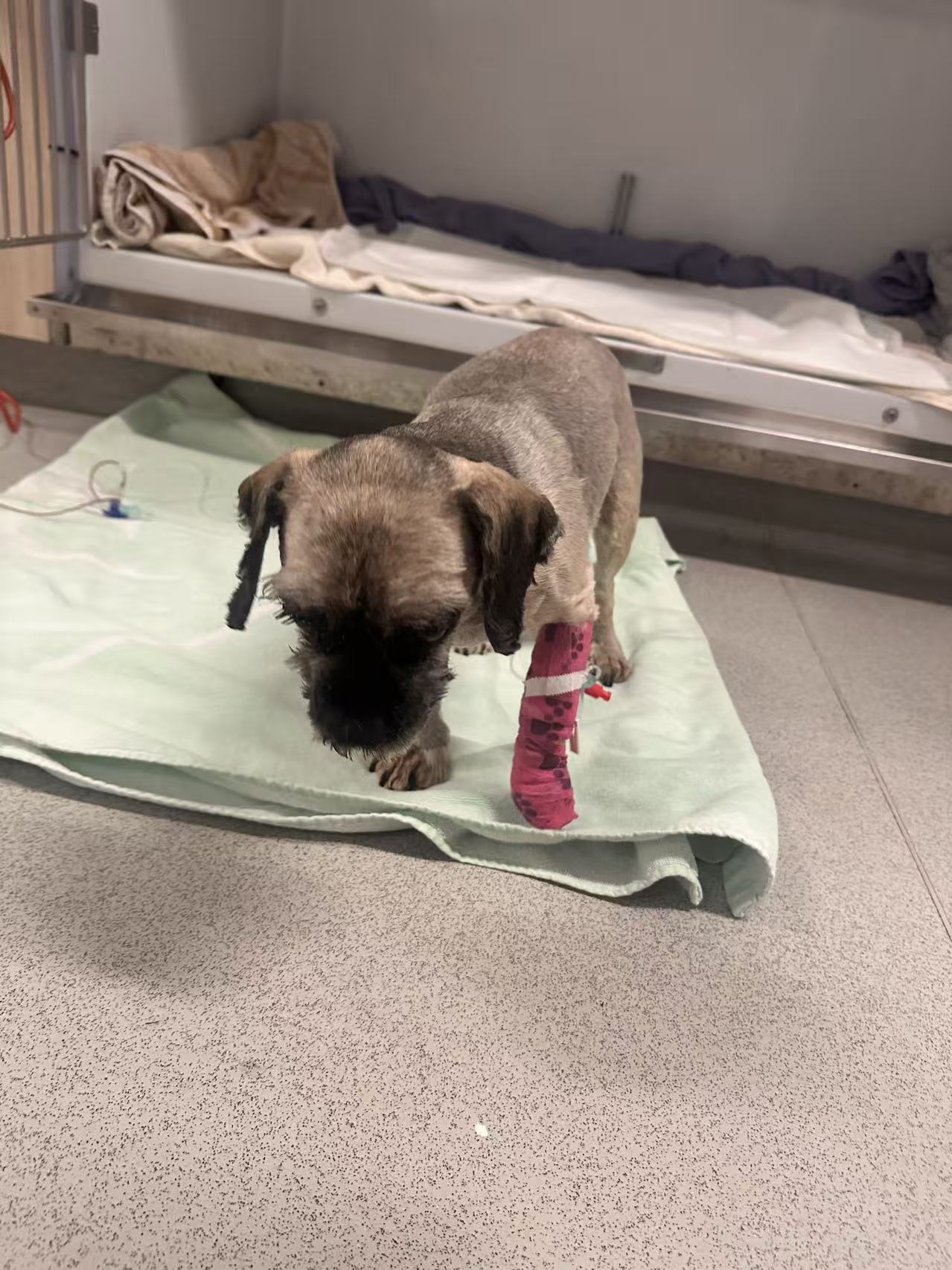
On Friday, 30 October, Mr Beans was finally discharged from SASH Alexandria.
After everything he had been through, bringing him home was an incredible relief.
But the little dog who came home was very different from the energetic Mr Beans we knew.
He was extremely weak.
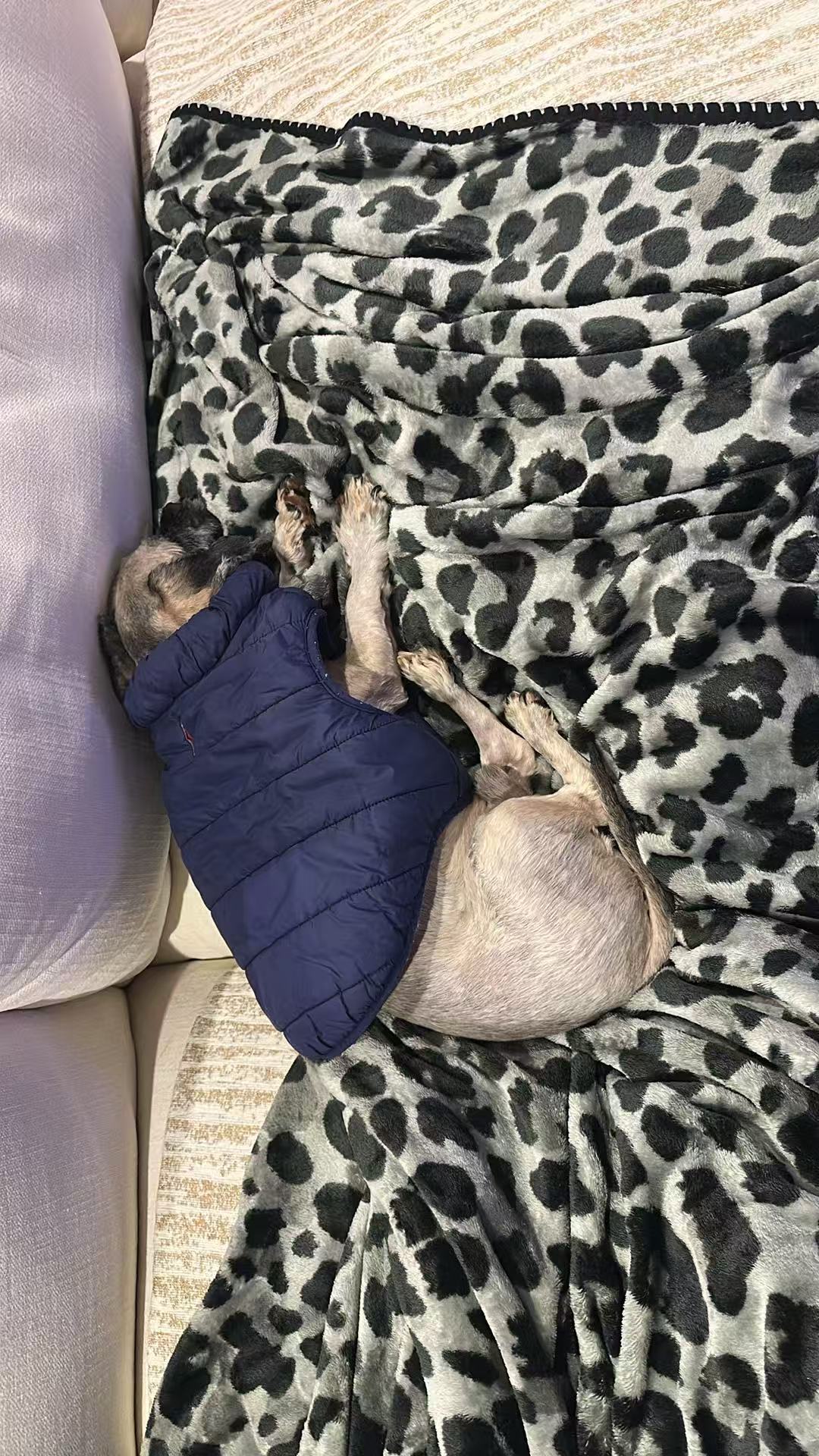
He spent most of his time sleeping.
When he first came home, even ordinary sounds around the house didn't seem to wake him.
He was also still recovering from a lung infection and problems affecting his voice box (larynx), and he needed to continue taking prescribed medication.
We were so grateful to have him home, but we knew his recovery was far from complete.
Sunday, 1 November: His First Few Steps Outside
Today, 1 November, we took Mr Beans outside for the first time since he returned home.
It wasn't really a walk.
We only went a short distance from our front door.
After just a few steps, he seemed to run out of energy.
The entire outing, from leaving home to returning, took less than ten minutes.
When we came back inside, he was exhausted and quickly fell asleep.
Before his illness, Mr Beans loved running around, chasing balls and exploring new places.
Seeing him struggle with such a short outing was heartbreaking.
But we have also noticed a small, encouraging change.
When he first came home, he slept so deeply that ordinary sounds didn't seem to wake him.
Now, when he hears a noise, he wakes up.
It might seem like a tiny improvement, but after everything he has been through, these little changes mean so much to us.
His lung infection and voice box problems have not fully resolved, and he is still taking medication.
For now, he needs rest, patience and ongoing veterinary care.
His next big adventure will have to wait.
What Mr Beans' Experience Has Taught Us
Looking back, the most frightening part was how quickly his condition deteriorated.
On Saturday morning, he was still walking.
By Sunday, he needed oxygen support and a transfer to specialist intensive care.
He eventually needed a ventilator.
Before this experience, we knew that paralysis ticks were dangerous, but we didn't fully appreciate how serious the illness could become.
There are a few things I hope other dog owners will take away from our story.
Pay attention to unusual changes in your dog's movement.
The first thing we noticed was that Mr Beans couldn't properly support his weight on one hind leg. Later, his hind legs began crossing awkwardly when he walked.
It was subtle at first, but it was not normal for him.
Don't wait until your dog can no longer walk.
Mr Beans could still walk when we arrived at the emergency hospital. His condition deteriorated significantly afterwards.
If your dog develops unusual weakness, changes in walking or other concerning symptoms, especially in a paralysis tick-risk area, seek urgent veterinary advice.
Prevention and regular tick checks matter.
We love taking our dogs to parks, bushland and outdoor destinations. This experience has made us much more aware of the importance of appropriate tick prevention and thorough checks.
Coming home doesn't always mean recovery is complete.
Even after leaving intensive care, Mr Beans is still very weak and receiving treatment for ongoing problems.
We are learning to appreciate small improvements and give him the time he needs.
A Heartfelt Thank You
We want to sincerely thank the veterinary teams at ARH Wollongong and SASH Alexandria.
Thank you for the emergency treatment, intensive care, communication and dedication you showed while caring for Mr Beans.
We are especially grateful to the SASH ICU team who looked after him during his most critical days.
We will always remember how frightening those days were, and how much it meant to hear that he was finally breathing independently.
Because of your care, our little dog is back home with us.
Why I'm Sharing This Story on PawsAround
PawsAround started as a personal project because we love exploring Australia with our dogs.
We wanted to help other dog owners discover dog-friendly cafés, parks, beaches, walking trails and places to enjoy together.
But Mr Beans' experience has reminded us that outdoor adventures also come with responsibilities and risks.
I'm sharing his story because I hope it might help another dog owner recognise that something is wrong and seek veterinary help sooner.
We are also preparing a series of educational articles about paralysis ticks, including warning signs, prevention and what to do in an emergency.
I never imagined that our own dog would become the reason for starting this series.
But if sharing his experience helps even one other dog, it will be worth it.
Welcome Home, Mr Beans ❤️
Mr Beans isn't ready to chase balls or run around like a rabbit just yet.
He still spends much of his day sleeping.
His recovery is ongoing, and we don't know exactly when he'll be back to his usual energetic self.
But he's home.
He's eating again.
He's beginning to respond to the familiar sounds around him.
And every small improvement gives us hope.
We look forward to the day when we can take him on another adventure.
Until then, the parks, beaches and walking trails can wait.
Take your time, Mr Beans. We're just happy you're home. ❤️
---
This is our family's personal experience with tick paralysis, updated on 1 November 2026. Mr Beans is still recovering under veterinary care. This story is not veterinary advice. If you suspect your dog may have tick paralysis, seek urgent veterinary attention.