
Tick Prevention for Dogs in Australia: Don't Rely on Luck
A practical guide to protecting your dog from paralysis ticks through preventative medication, daily tick checks and safer outdoor habits.
Updated: November 2026 | PawsAround Dog Health & Safety
Australia offers wonderful opportunities to explore the outdoors with your dog, from coastal walks and bushland trails to neighbourhood parks and leafy backyards.
But these adventures can also bring your dog into contact with ticks.
For dog owners along Australia's east coast, the Australian paralysis tick (Ixodes holocyclus) is a particularly important risk. Its toxin can affect the nervous system, weaken muscles and, in severe cases, cause life-threatening breathing difficulties.
The good news is that there are practical ways to reduce the risk.
Effective tick prevention is not one product or one occasional check. It is a routine built around appropriate tick protection, regular physical checks and awareness of early warning signs.
Here is how to make that routine part of everyday life with your dog.
1. Why Tick Prevention Matters in Australia
Paralysis ticks are found in parts of eastern Australia, particularly coastal areas of Queensland and New South Wales.
They can be encountered in bushland, gardens, parks and other areas with suitable vegetation and wildlife.
Although tick activity often increases during warmer, humid months, exposure is possible outside the peak season.
Dogs do not need to go on a long bushwalk to encounter a tick. A short outing or time spent in a leafy backyard can be enough.
What makes paralysis ticks dangerous?
Paralysis ticks produce a neurotoxin that interferes with communication between nerves and muscles.
Early symptoms may include:
- Weakness or wobbliness in the hind legs
- An unusual walking pattern
- Changes in barking or voice
- Vomiting, gagging or difficulty swallowing
- Rapid, noisy or laboured breathing
Symptoms may progress, sometimes even after the tick has been removed.
If your dog develops any of these signs, particularly after possible tick exposure, seek emergency veterinary advice immediately.
2. Choose Tick Prevention That Specifically Covers Paralysis Ticks
Not every flea or tick product provides the same protection.
When choosing a preventative treatment, check that the product is registered for paralysis tick control in dogs and that it is suitable for your dog's age, weight and health.
Common Australian product ranges include NexGard, Bravecto and Simparica, but formulations and dosing intervals differ.
Some products are given monthly, while others have longer dosing intervals for particular parasites.
Never assume that a product's flea protection period is the same as its paralysis tick protection period.
Check the Australian label for your exact product and formulation.
Your veterinarian can help you select a suitable option, particularly if your dog has a history of seizures, other medical conditions or takes regular medication.
Make prevention easier to maintain
A simple system can help:
- Record the product name and date administered.
- Record the next paralysis tick protection date.
- Set a calendar reminder before protection is due to expire.
- Recheck the instructions whenever you change products or formulations.
- Ask your veterinarian before combining or switching parasite treatments.
Missing a dose or using the wrong interval can leave gaps in protection.
No tick preventative is completely effective in every circumstance, so medication should always be combined with physical checks.
3. Make Daily Tick Checks a Habit
One of the most valuable habits is checking your dog regularly, particularly after spending time outdoors.
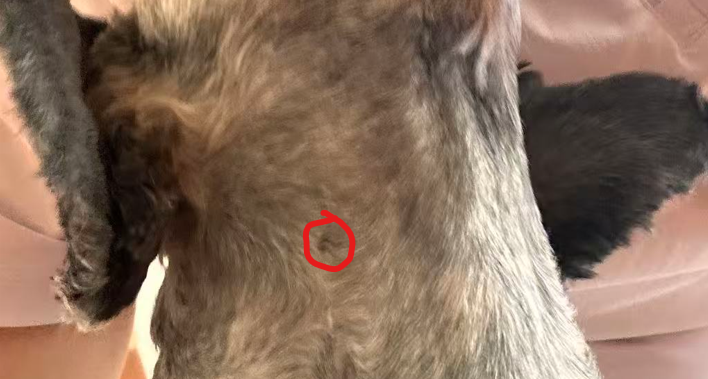
A tick may be difficult to see, especially on dogs with long, thick or dark coats.
Use both your eyes and your fingertips.
Move slowly through the coat, feeling for small bumps attached to the skin.
Where should you check?
☐ Around the eyes, muzzle and lips
☐ Inside and behind the ears
☐ Under the collar and around the neck
☐ Chest, shoulders and armpits
☐ Belly and groin
☐ Between the toes and around the paws
☐ Tail base and skin folds
☐ The rest of the body, including under thick fur
Ticks can attach anywhere, so do not limit the examination to the head and neck.
How long does a tick check take?
A quick daily check may take only a few minutes, although dogs with thick coats may need longer.
The goal is not to rush through a fixed five-minute routine. It is to examine the entire dog carefully enough to notice changes.
For long-haired dogs, regular grooming can make checking easier.
4. Build a Simple Before-and-After Walk Routine
Tick prevention works best when it becomes as familiar as putting on your dog's lead.
Before heading outdoors
Confirm that your dog's paralysis tick prevention is current.
Choose your walking route with local conditions in mind.
Avoid allowing your dog to push through dense vegetation, particularly in known tick habitats.
Bring water, a lead and your usual walking essentials.
Know how to contact a local emergency veterinary hospital if needed.
During your walk
Keep your dog under control and within permitted areas.
Where practical, stay on established tracks rather than allowing your dog to explore thick undergrowth.
Pay attention if your dog suddenly seems weak, uncoordinated or unusually tired.
After returning home
Check your dog's coat and skin thoroughly.
Pay extra attention to the face, ears, collar area and paws, while still examining the whole body.
Watch for changes in walking, voice, swallowing or breathing.
If you find a tick, follow appropriate veterinary advice for prompt and safe removal.
Do not assume that finding and removing one tick means there are no others.
5. Understand the Risks in Different Outdoor Environments
Bushwalking and forest trails
Bushland can provide suitable habitat for ticks and their wildlife hosts.
Use established paths where possible, prevent your dog from entering dense vegetation and perform a thorough tick check afterwards.
Coastal walks and reserves
Coastal environments are not automatically tick-free.
Vegetated dunes, bushland edges and shaded tracks may present exposure opportunities.
Check your dog after coastal outings, particularly when the route passes through vegetation.
Local parks and grassy areas
A familiar neighbourhood park may feel low-risk, but tick exposure is still possible where suitable habitat exists.
Maintain the same prevention and checking habits you would use after a longer walk.
Your own backyard
Dogs can encounter ticks without leaving home.
Keeping vegetation maintained and limiting access to dense, overgrown areas may help reduce opportunities for contact, but it cannot eliminate the risk.
Continue regular checks even on days when your dog stays at home.
6. Why Tick Medication Alone Is Not Enough
Modern tick preventatives are an important part of protecting dogs.
However, some products work after a tick attaches and begins feeding.
Protection may also vary according to the product, correct administration and the parasite involved.
That is why veterinary guidance generally recommends combining appropriate preventative treatment with regular tick searches.
Think of prevention as three complementary layers:
Layer 1 — Preventative medication
Use a suitable product according to its Australian label and your veterinarian's advice.
Layer 2 — Physical tick checks
Examine your dog's entire body regularly and after outdoor activities.
Layer 3 — Early symptom recognition
Know what abnormal walking, voice changes, swallowing difficulties and breathing problems may indicate.
Each layer helps address risks that the others cannot completely remove.
7. What If You Find a Tick Despite Using Prevention?
First, stay calm.
Finding an attached tick does not automatically mean your dog has tick paralysis or that the preventative product has failed.
Some products require a tick to attach before they can kill it.
Nevertheless, take the discovery seriously.
Contact your veterinarian promptly for advice, particularly if you live in a paralysis tick area.
Remove the tick safely using an appropriate method, provided this does not delay urgent veterinary care.
Check for additional ticks if your dog is stable.
If your dog develops weakness, vomiting, voice changes, swallowing problems or breathing abnormalities, seek emergency veterinary treatment immediately.
A dog may deteriorate after a paralysis tick has been removed. Do not rely on tick removal alone as proof that the danger has passed.
For detailed instructions, read our guide: What to Do If You Find a Tick on Your Dog in Australia.
8. What Mr Beans Taught Us About Prevention
In October 2026, our dog Mr Beans developed severe paralysis tick poisoning.
His earliest noticeable symptoms included hind-leg weakness and an unusual walking pattern. We found a tick near his mouth and took him to an emergency veterinary hospital.
Although he could still walk when he arrived, his condition subsequently deteriorated.
He required oxygen support, specialist intensive care and mechanical ventilation.
After several frightening days, Mr Beans survived and returned home on 30 October.
His combined veterinary expenses exceeded A$25,000, and his recovery continued after discharge.
That experience changed how we think about tick prevention.
It reinforced the importance of checking our dogs carefully, keeping preventative treatment schedules up to date and taking subtle changes in behaviour or movement seriously.
Most importantly, it reminded us that early veterinary assessment matters.
We share Mr Beans' experience not to discourage outdoor adventures, but to help other families recognise risks before they become emergencies.
9. A Tick Prevention Checklist for Australian Dog Owners
Use this checklist as part of your regular routine.
Every day
☐ Check your dog for ticks, especially after outdoor activities.
☐ Pay attention to changes in walking, voice, swallowing and breathing.
☐ Keep your dog away from dense vegetation where practical.
On scheduled treatment days
☐ Confirm the correct product and dose.
☐ Administer it according to the label and veterinary instructions.
☐ Record the date and set the next reminder.
Before travelling
☐ Check whether your destination is a paralysis tick risk area.
☐ Confirm that your dog's protection is appropriate for the destination.
☐ Locate an emergency veterinary clinic near your accommodation.
If you find a tick
☐ Contact your veterinarian promptly for advice.
☐ Remove the tick safely without delaying urgent treatment.
☐ Check for other ticks if your dog is stable.
☐ Seek emergency care immediately if concerning symptoms develop.
Frequently Asked Questions
Can dogs get paralysis ticks even when taking tick prevention medication?
Yes. No preventative product guarantees complete protection. Some products act after a tick attaches. Continue checking your dog regularly and follow the product's recommended dosing schedule.
How often should I check my dog for ticks?
Daily checks are recommended in paralysis tick areas, particularly after outdoor activities. Dogs with thick or long coats may need more careful examination.
Are paralysis ticks a problem all year in Sydney?
They can be active outside the warmer months, although activity often peaks in spring and summer. Maintain prevention and awareness throughout the year according to local veterinary advice.
Can dogs pick up ticks in their own backyard?
Yes. Ticks can occur in gardens and residential areas with suitable habitat and wildlife.
Should I stop taking my dog bushwalking?
Not necessarily. Outdoor activities offer valuable exercise and enrichment. Appropriate preventative treatment, route awareness, regular tick checks and recognition of warning signs can help reduce risk.
What should I do if my dog starts walking strangely after a bushwalk?
Contact an emergency veterinarian immediately, particularly if you live in a paralysis tick region. Hind-leg weakness or uncoordinated walking can be an early sign of tick paralysis.
---
Final Thoughts: Prevention Is a Habit, Not a Guarantee
Australian dogs deserve to enjoy the outdoors.
With the right precautions, owners can continue exploring parks, beaches and walking trails while reducing the risks associated with paralysis ticks.
The most important message is simple:
Keep tick protection current. Check your dog regularly. Recognise early symptoms. Seek veterinary help promptly.
Don't rely on luck. Build a routine that helps your dog return home safely after every adventure.
---
References and Further Reading
For current veterinary guidance, consult:
- RSPCA Australia — How Can I Protect My Dog or Cat from Tick Paralysis?
- RSPCA NSW — Tick Safety Reminders
- University of Sydney Veterinary Teaching Hospital — Ticks in Dogs
- Australian Veterinary Tick Paralysis Guidelines (2024)
- Australian Pesticides and Veterinary Medicines Authority (APVMA) — registered veterinary product information
Related PawsAround guides
- Tick Safety for Dogs in Australia
- Paralysis Ticks in Dogs: Symptoms, Treatment & Prevention
- What to Do If You Find a Tick on Your Dog in Australia
- Best Tick Prevention for Dogs in Australia
- Mr Beans' Tick Paralysis Story
Veterinary disclaimer: This article provides general educational information and is not a substitute for professional veterinary advice. Product suitability, dosing intervals and tick-related risks vary. Always follow the Australian product label and consult your veterinarian. Suspected tick paralysis is a veterinary emergency.