
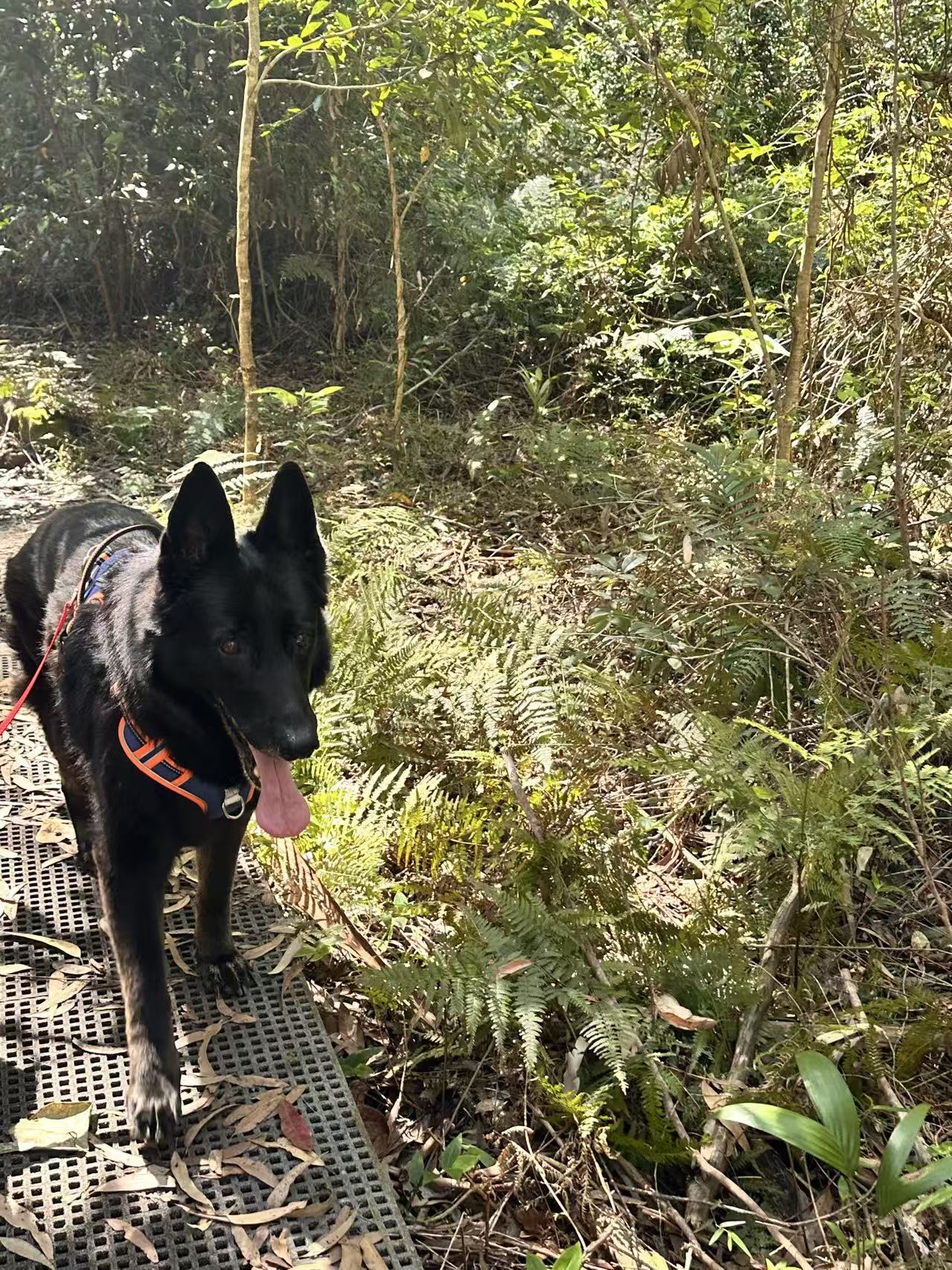
Where Are Paralysis Ticks Found in NSW?
A practical guide to understanding tick-risk environments when exploring New South Wales with your dog.
New South Wales has beautiful coastal walks, bushland, forests and dog-friendly parks.
Unfortunately, some of these environments also provide suitable habitat for paralysis ticks.
Understanding where ticks may occur can help dog owners plan safer outdoor adventures.
Are Paralysis Ticks Common in NSW?
The Australian paralysis tick, Ixodes holocyclus, occurs along parts of Australia's eastern coast, including NSW.
Ticks are associated with suitable habitats such as bushland, scrub, dense vegetation and humid environments.
Dogs can also encounter ticks in suburban gardens and local parks.
Sydney and the Northern Beaches
Paralysis ticks are a recognised concern in the Sydney region.
Dogs exploring bushland, coastal reserves and vegetated walking tracks may be exposed.
However, risk is not limited to remote bushwalking destinations. Residential areas and backyards can also provide opportunities for exposure.
The University of Sydney recommends year-round tick prevention for dogs in Sydney.
The Central Coast and Hunter Region
Parts of the Central Coast and Hunter have coastal vegetation, bushland and other environments that may support ticks.
Dog owners visiting natural areas should take appropriate precautions.
This does not mean every park or walking trail has a confirmed tick problem.
The Illawarra and South Coast
Coastal and bushland environments around the Illawarra and South Coast can also present tick exposure risks.
For travelling dog owners, maintaining prevention and checking dogs after outdoor activities is important.
The North Coast
The NSW North Coast includes extensive coastal vegetation and humid environments.
Dogs travelling through these areas may encounter paralysis ticks, including outside the period commonly thought of as peak tick season.
Are Paralysis Ticks Only a Spring and Summer Problem?
No.
Tick activity varies with climate, habitat and local conditions.
Although warmer and more humid periods may increase exposure, dogs in risk areas can encounter ticks at other times of year.
Don't assume that winter automatically means there is no risk.
What About Dog-Friendly Parks and Beaches?
A place being dog-friendly does not mean it is tick-free.
Ticks are more closely associated with suitable vegetation and animal hosts than with a destination's dog-friendly status.
When visiting parks, bushland or coastal reserves:
- Stay on established tracks where practical.
- Reduce unnecessary contact with dense vegetation.
- Keep your dog's appropriate tick prevention current.
- Carry out a thorough full-body tick check.
- Watch for unusual symptoms after your outing.
What If Your Dog Develops Symptoms?
Weakness, unsteady walking, vomiting, coughing, changes in bark or breathing difficulties can be warning signs.
If you suspect tick paralysis, seek urgent veterinary attention.
Do not wait until you find a tick before seeking help.
Explore NSW Responsibly
PawsAround encourages dog owners to enjoy the outdoors while being aware of local conditions.
Before your next adventure, check the destination's dog access rules, weather, track conditions and your dog's parasite prevention plan.
A beautiful destination is even better when you and your dog are prepared.
References
- [University of Sydney — Dogs and ticks](https://www.sydney.edu.au/vet-hospital/small-animals/dogs/preventative-health/parasites/ticks.html)
- [RSPCA Australia — Paralysis tick information](https://kb.rspca.org.au/categories/companion-animals/dogs/caring-for-my-dog/how-can-i-protect-my-dog-or-cat-from-tick-paralysis)
- [NSW Health — Lyme disease and ticks in NSW](https://www.health.nsw.gov.au/Infectious/factsheets/Pages/Lyme_disease.aspx)
This guide describes general regional and habitat-related risk. It is not a verified tick surveillance map and does not establish tick presence at individual PawsAround locations.